

Repairing a Broken Heart: The Potential of Heart Failure-Related Engineered Muscle
More than 64 million people worldwide suffer from heart failure, making it a global health emergency. The ability to regenerate injured heart tissue is still a significant barrier, despite improvements in medication therapy and surgical procedures. Despite its effectiveness, heart transplants are constrained by the risk of rejection and the scarcity of donors. However, the use of engineered heart muscle (EHM) to patch and mend the failing heart represents a new frontier in the field of regenerative medicine.
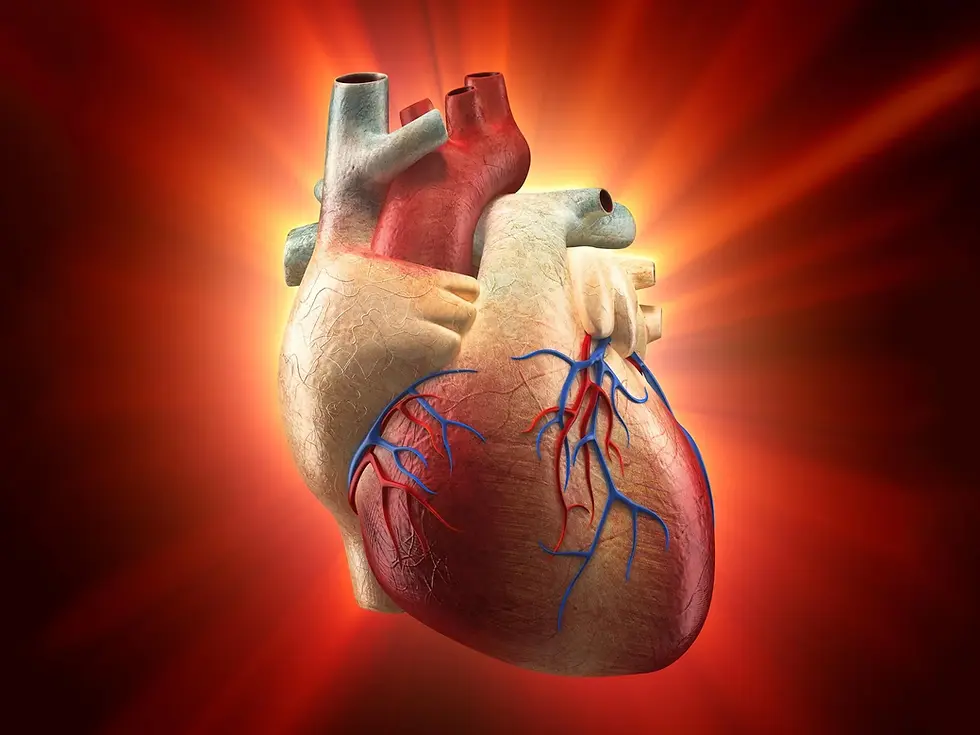
Engineered Heart Muscle (EHM): What is it?
Cardiomyocytes, the muscle cells that contract and allow the heart to pump blood, make up the majority of engineered heart muscle, which is tissue created in a lab. Pluripotent stem cells, which may differentiate into nearly any type of cell in the body, are frequently the source of these cardiomyocytes. These cells can be encouraged to generate three-dimensional, contractile muscle tissue that resembles the normal myocardium (heart muscle) by providing the appropriate mix of pharmacological and mechanical signals.
The goal is to produce patches of this muscle that can be surgically applied to a damaged heart's surface, where they may:
structurally merge with the natural tissue
Restore the contractile function that was lost.
Encourage the formation of new blood vessels and the healing process
Animal Proof: Rhesus Macaques' Achievement
A significant advancement in recent studies has been made by evaluating EHM in non-human primates, specifically rhesus macaques. Compared to rodents, these animals offer a more accurate preclinical model because of their physiological similarities to humans.
In these investigations, researchers:
produced EHM patches using cardiomyocytes generated from human stem cells.
placed them on the hearts of rhesus macaques that had suffered artificial heart damage.
To stop the animals' immune systems from rejecting the patches, immune suppression techniques were employed.
Initial Human Data: A Sneak Peek at Clinical Possibilities
A documented instance of a human individual with severe heart failure receiving synthetic muscle patches for compassionate usage has added to the enthusiasm. The patient displayed indications of functional improvement, indicating that this technique may be successful in clinical settings in addition to being successful in animal models.
The fact that EHM engrafted and helped with heart function in a genuine human heart is a significant milestone for regenerative cardiology, even though specific outcomes from this instance are yet to be seen.
Immune Suppression's Function
Immune rejection is one of the main obstacles to employing EHM made from allogeneic (non-self) stem cells. Foreign cells can be identified by the human immune system, which can then fight and eliminate them. Recipients must get immunosuppressive treatment, like that given to organ transplant recipients, to prevent this. Although short-term immunosuppression is effective, long-term immunosuppression has risks:
A higher vulnerability to infections
Cancer risk
adverse effects caused by the drugs themselves
Using induced pluripotent stem cells (iPSCs) produced from the patient's own cells to create patient-specific EHMs could be a future treatment that eliminates the requirement for immunosuppression.
Obstacles and Prospects
Even with the advancements, several obstacles still exist:
Scalability: It is still challenging and costly to produce significant amounts of high-quality EHM appropriate for therapeutic usage.
Electrical integration: To prevent arrhythmias, it is essential to make sure that the designed muscle contracts in unison with the natural heart.
Vascularisation: For EHM patches to endure and continue to work over time, they must be properly vascularised, or attached to blood vessels.
Long-term studies: More information is required regarding the safety and longevity of EHM implants over a period of years rather than months.
Conclusion: The Emergence of a Regenerative Revolution
Poetry and metaphor have long explored the idea of mending a shattered heart. But it's becoming a scientific reality because of the creative application of modified cardiac muscle. EHM patches are changing the landscape of heart failure medicine, from promising trials in rhesus macaques to the first signs of promise in human patients.
Although there are still obstacles to overcome, the goal of replacing damaged heart tissue rather than merely managing its symptoms is getting closer to reality. A new era when biological patches take the place of transplants and manufactured cells become the norm for treating one of humanity's most enduring killers may soon dawn with more research, cooperation, and clinical trials.
About the Author:
Janani . J
Biotech undergraduate
References
"Ground-breaking: Scientists Develop Patch That Can Repair Damaged Hearts" An article detailing the development of lab-grown heart patches from reprogrammed blood cells, tested successfully in rhesus macaques and a human patient
https://www.theguardian.com/science/2025/jan/29/scientists-develop-patch-repair-damage-heart-failure
Milica Radisic – Research on Cardiac Tissue Engineering Milica Radisic's work focuses on developing heart patches using human embryonic and induced pluripotent stem cells, aiming to treat myocardial infarction and for drug cardio-toxicity screening.
Image credits


Comments